Erosion is a natural process but is often intensified by human land use practices.
Erosion is the processes that loosen sediment and soils and move it from one place to another. This occurs when the energy of water, wind and gravity overcomes resisting forces (e.g. roots of vegetation, cohesion of rocks) or where resisting forces are absent (i.e. bare earth).
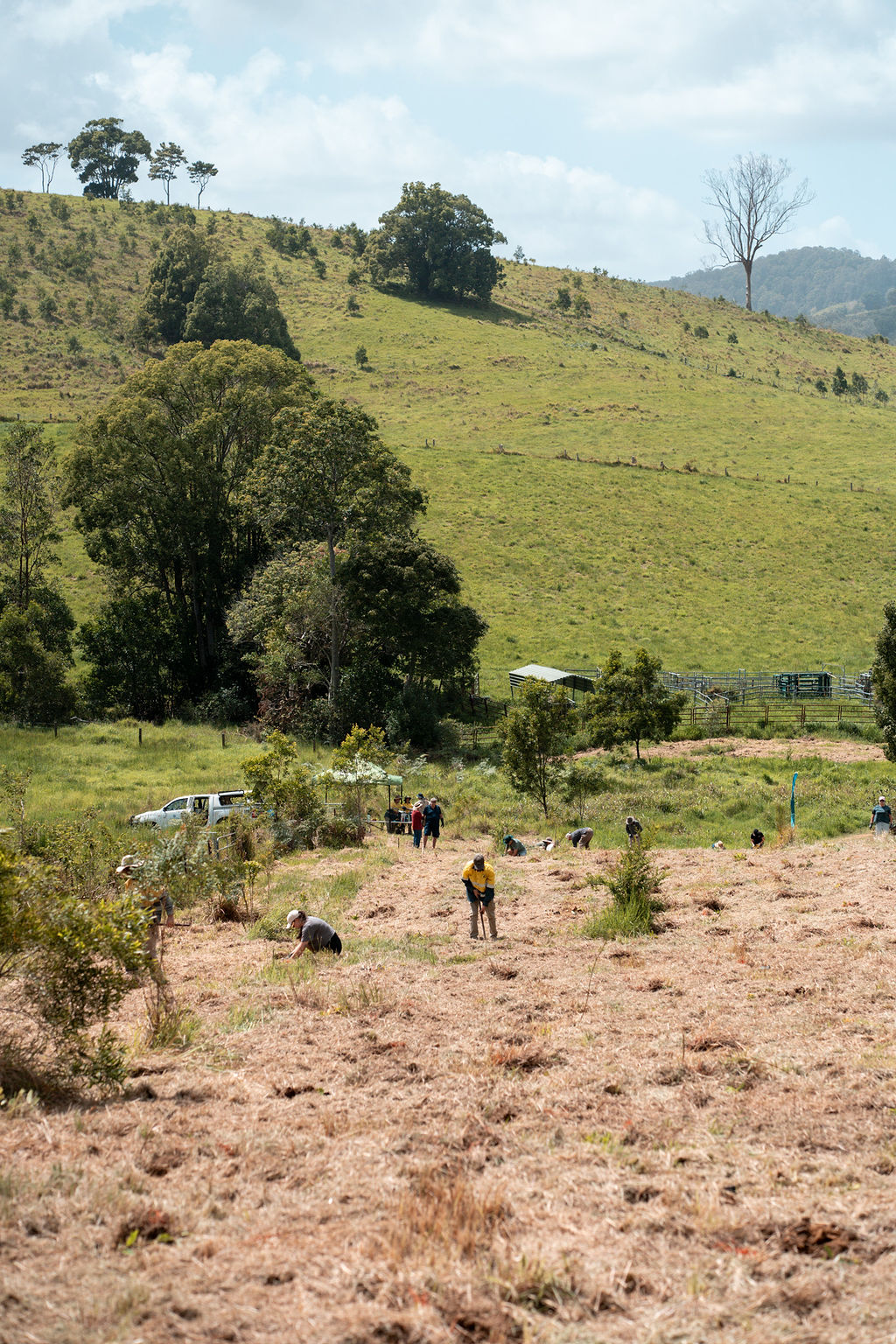
Understanding the different types of erosion helps land managers to apply appropriate land practices and to better plan for remediation of existing soil erosion sites.
Types of Erosion
Water Erosion
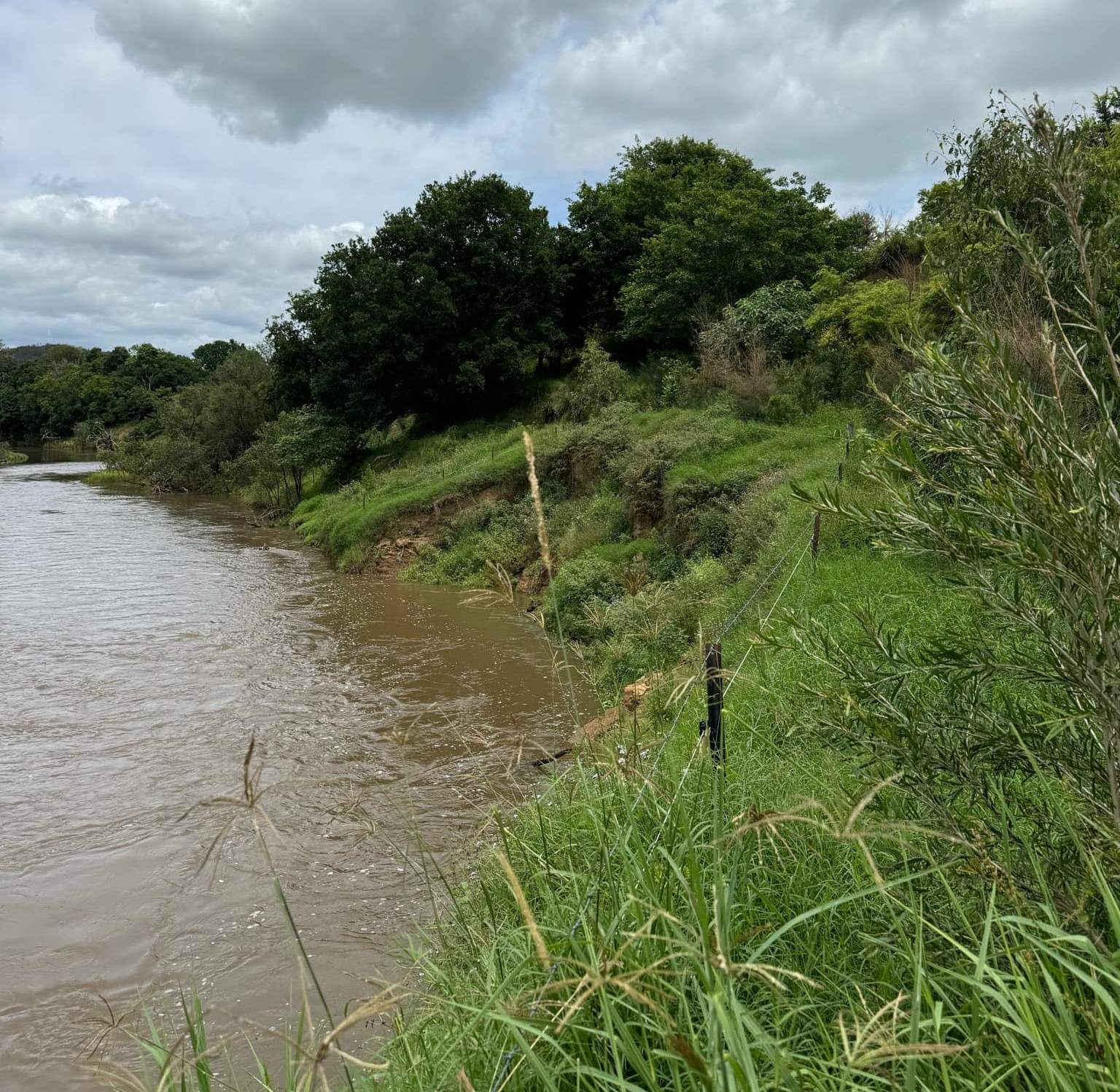
Our high rainfall wet seasons can pose a significant risk to soil stability. This is driven by two main processes, direct impact of raindrops hitting the soil surface and the accumulation of surface run-off.
The vulnerability of soils to water erosion depends on:
Rainfall intensity (erosivity): high intensity rainfall creates serious risk as heavy drops on bare soil causes the soil surface to seal,
Nature of the soil (erodibility): clay soils vary in their ability to withstand raindrop impact or water flow,
Slope length: if a slope is long, water running down the slope becomes deeper and moves faster, taking more soil with it
Slope steepness: the speed of runoff increases on steep slopes, which increases the power of water to break off and carry soil particles.
Resisting forces: What type of resisting forces are in place to withstand the water impact.
Types of water erosion
Wind Erosion
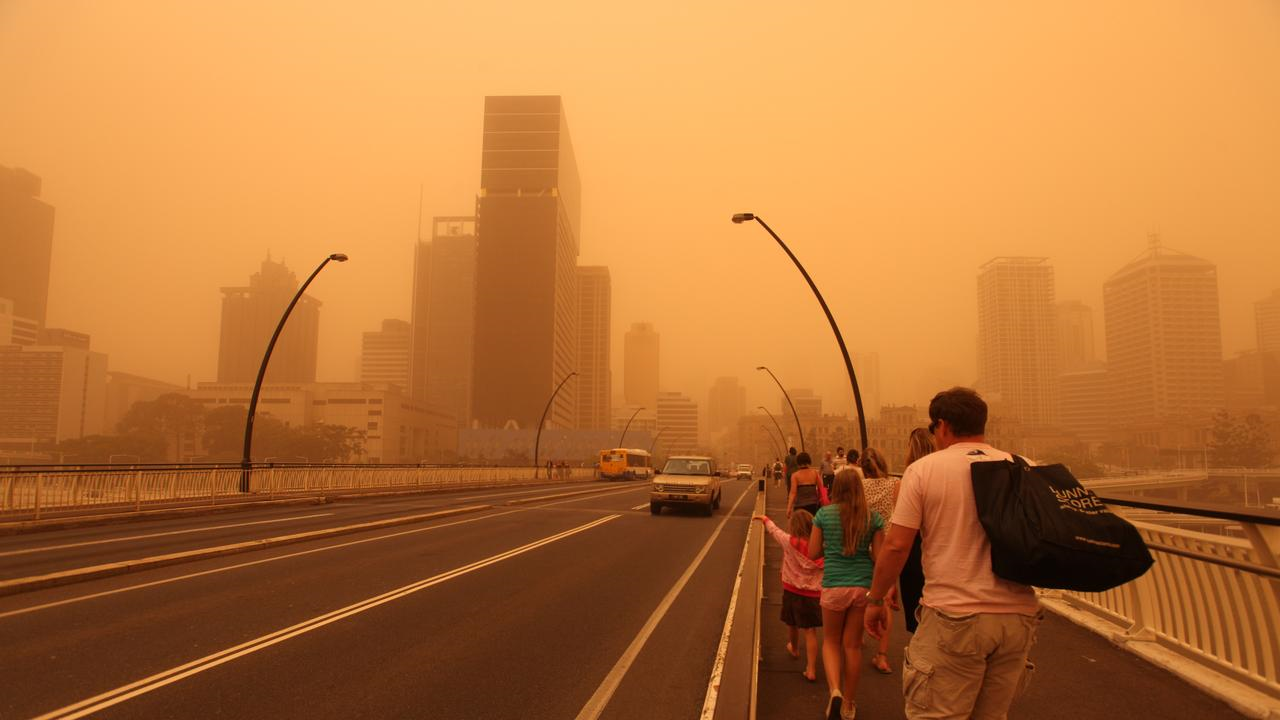
This is the detachment and movement of soil by air moving at least 20km/hr. W his occurs in two main ways suspension and saltation. In suspension, fine soil particles are lifted high into the air, often resulting in dust storms.
In saltation, larger particles are briefly lifted and bounced along the ground, contributing to sand movement.
Wind erosion is most common in areas with low rainfall, especially when soil moisture is at or below the wilting point. However, any soil affected by drought is vulnerable.
Mass Movement
It typically occurs on slopes steeper than 25 degrees, especially in areas with sparse vegetation and annual rainfall exceeding 900 mm. These movements are most common after intense storms, when the soil becomes saturated with water and heavy.
There are several types of mass movement, including soil creep, earth flow, slumps, landslips, landslides, and avalanches.
Factors that increase the likelihood of mass movement include erosion or excavation at the base of a slope, added weight from buildings or embankments, and the removal of vegetation, which eliminates stabilising root systems.